













Wiper GHP



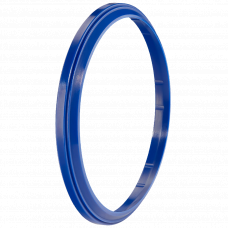

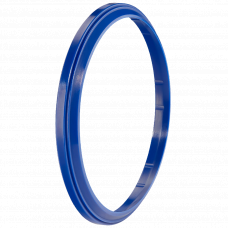
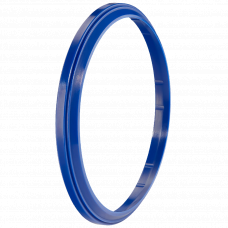
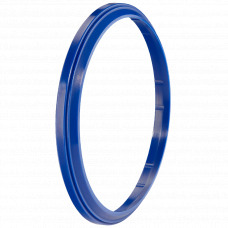
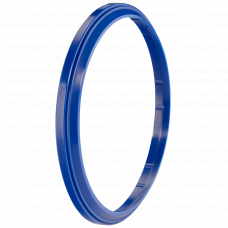
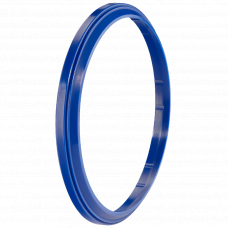
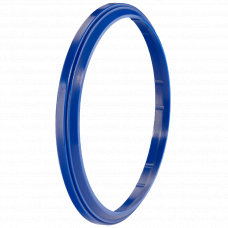
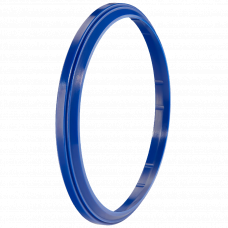
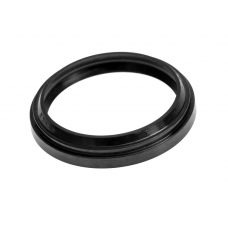
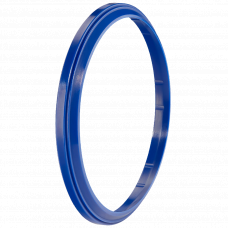
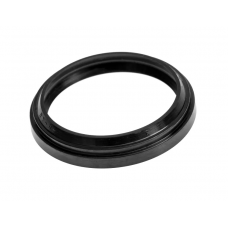
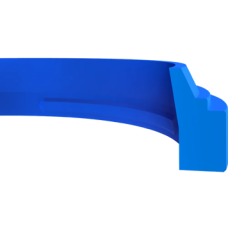
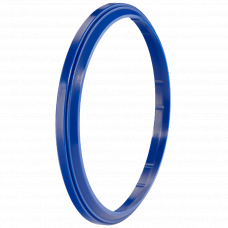
GHP wipers are protective seals for hydraulic cylinder rods, specifically designed for environments with coarse dust and hard abrasive particles — stone quarries, mines, crushers, aggregate plants. Standard wipers do not last under these conditions: the lip wears out too quickly and particles reach the seal, where they act as a fine abrasive between the lip and the rod. GHP is made from harder materials that withstand repeated contact with coarse sand and crushed stone — properties that directly translate into service intervals two to three times longer. Codes by size and material variants are available at hydsealstore.ro, with recommendations for each type of environment.
Technical Specifications and Role of GHP Wipers
Made from high-hardness polyurethane or abrasion-resistant NBR — materials specifically selected for intensive contact with hard solid particles, with a Shore A hardness between 90 and 95. The increased hardness maintains the geometry of the lip and constant contact force with the rod for a much longer period compared to standard materials, while cut resistance prevents the lip from cracking upon impact with sharp particles. It operates between -30°C and +100°C, with consistent performance throughout the entire range. Compatible with standard mineral oils and most commercial hydraulic fluids. The other cylinder components are available in the range of hydraulic seals, including seals and guides that complete the system.
Performance in Industrial Environments with High Levels of Contamination
GHP is chosen in stone quarries, mines with abrasive dust, crushing and sorting plants, and on any construction site where crushed stone or coarse sand reaches the rod daily. It lasts two to three times longer than a standard wiper under these conditions — the price difference compared to a standard wiper is quickly recovered through savings on servicing and reduced unplanned downtime. On machinery operating 12-16 hours a day in such environments, GHP makes the difference between servicing once a quarter and once a year. The covered abrasion levels are described in the range of hydraulic wipers, with variants for each type of particle.
Selection and Installation Criteria for GHP Wipers
Identify the rod diameter and groove dimensions. The GHP wiper is inserted with the lip facing outward, paying attention to symmetry — a wiper installed twisted does not clean the rod evenly and allows particles to pass through on one side. The groove must be thoroughly cleaned before installation, including any traces of hardened grease. Check that the lip is not damaged during installation — even the slightest deformation compromises efficiency. For cylinders with hard-chromed rods, lightly lubricate before initial startup. The piston seals that complete the system are available in the range of piston seals.
Advantages of Purchasing GHP Wipers from Hydraulic Seals Store
In applications where the cylinder rod is permanently exposed to abrasive particles, choosing the wiper becomes just as important as choosing the sealing seal. At Hydraulic Seals Store, you can find GHP wipers designed for such conditions, including for machinery used in quarries, mines, and crushing plants.
To order, the rod diameter and installation groove dimensions must be checked. The material and profile must be matched to the environment in which the cylinder operates, especially when hard particles or heavy contamination are present. If you are not sure whether GHP is the right solution, we can recommend the necessary checks before selecting the product.