













Bucket Bush HRC: page 31

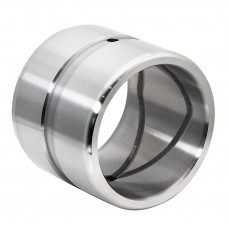

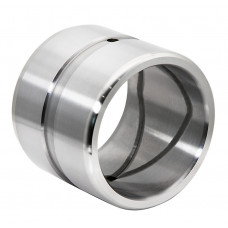
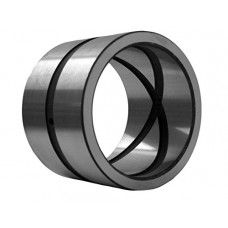
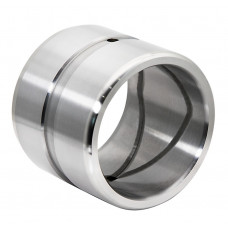
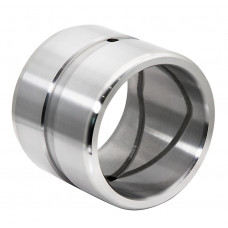
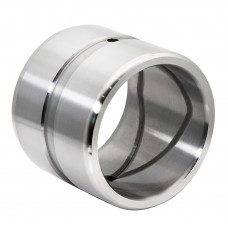
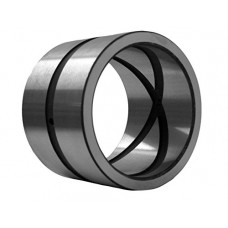
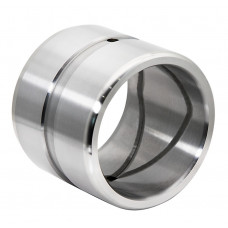
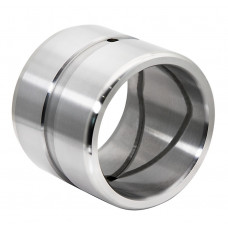
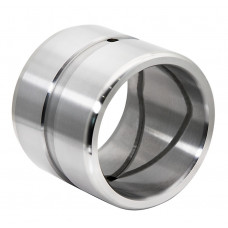
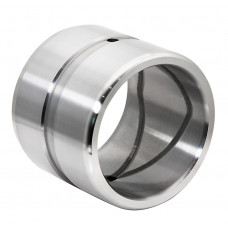
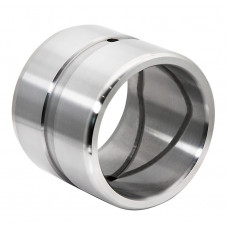
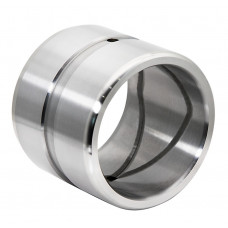
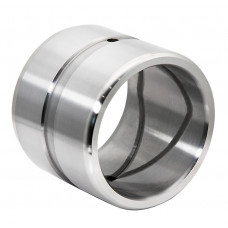
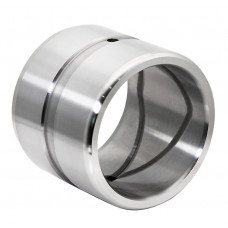
HRC bushings are one of those small but essential components that keep the joints of heavy machinery moving correctly. If you work with construction or agricultural machinery, you’ve probably already replaced a few.
The base material of HRC bushings is heat-treated carbon steel, surface-hardened to achieve high hardness, whilst the core remains more ductile to absorb shocks without cracking. This differentiated treatment makes them suitable for pivot points where the load changes abruptly — such as the sudden lowering of an excavator’s bucket, the stopping of a hydraulic arm under load, or the repeated maneuvers of a stabilizer. Unlike bronze bushings, which rely on self-lubrication, HRC bushings typically operate with a periodic greasing system, and the lubrication channels must be checked at every bushing replacement, not just the dimensions.
The role of HRC bushings in technical systems
HRC bushings are fitted in joints where a pin rotates or oscillates within a fixed component — excavator arms, stabilizers, and steering systems on agricultural machinery. Their role is to absorb the friction between the pin and the housing, protecting both parts from direct wear. Without a bushing in good condition, play in the joint increases rapidly, and the more expensive surrounding components begin to wear out prematurely.
How to choose the right HRC bushing
The dimensions matter down to the millimeter: the inner diameter must match the pin exactly, and the outer diameter must match the housing from which the old bushing is being removed. The material is just as important — the hardened steel used in HRC bushings offers high resistance to impact loads, making them suitable for machinery subjected to repeated shocks. For applications with different requirements, it is also worth comparing the XA, E92, EB65.01 and JDBF bushing variants, each suited to a different type of load or installation.
The benefits of buying HRC bushings from the Hydraulic Seals Store
At Hydraulic Seals Store, HRC bushings are listed with exact dimensions and up-to-date availability, so you can quickly find the part compatible with your machinery. Fast delivery is particularly important when a machine is out of action due to a single worn bushing.
Checking your machine’s OEM code before ordering reduces the risk of an incorrect fit, particularly with older machines where dimensions may differ slightly from current models. If you’re unsure of the code, you can send the measurements taken directly from the old bushing — inner diameter, outer diameter and length — and our support team will help you identify the compatible part. Orders for multiple bushings at once, which are useful for a full overhaul of the joints, benefit from the same fast delivery times as orders for a single part.