













Combi Oil Seals



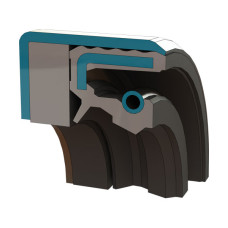

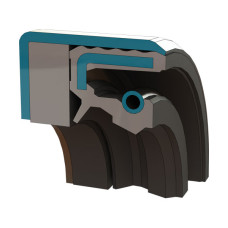
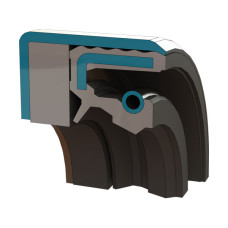
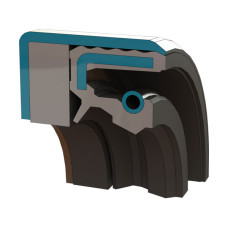
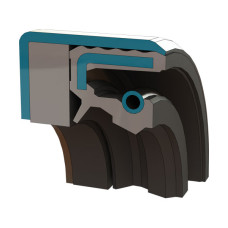
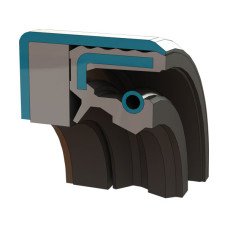
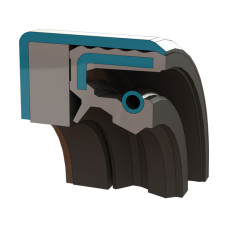
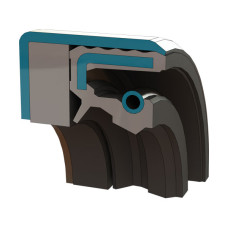
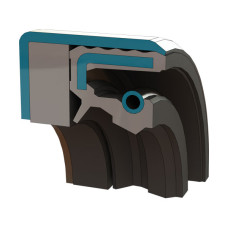
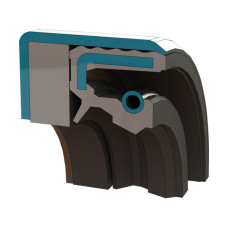
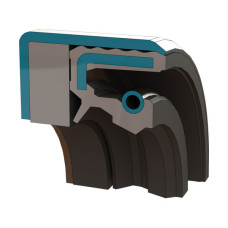
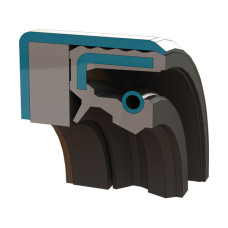
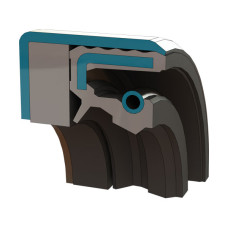
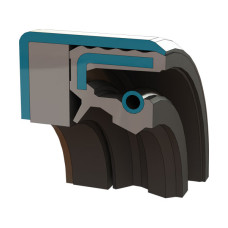
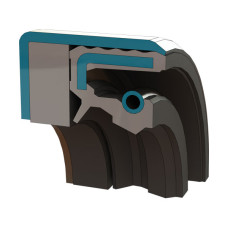

COMBI oil seals form part of the wider family of oil seals and are designed for situations where a standard oil seal is no longer sufficient. If your machinery operates in dusty, muddy, or constantly damp conditions, the shaft needs double protection, not just a simple oil seal.
What are COMBI oil seals and when are they used?
A COMBI oil seal combines, in a single component, the function of sealing fluid (oil or hydraulic fluid) with an additional barrier against dust, sand, or water entering from the outside. They are frequently found on construction machinery, agricultural equipment, and industrial plants, where the shaft is directly exposed to environmental conditions. If the equipment operates under high pressure, the high-pressure seal variant is often a more suitable solution than a standard COMBI seal.
Features of COMBI oil seals: effective sealing and additional protection
Their design typically includes a primary sealing lip made of NBR rubber and a second, paraphrase-type lip that stops abrasive particles before they reach the critical area. This dual structure extends the service life of the seal and, consequently, of the protected shaft, as it reduces wear caused by friction and infiltration from the external environment.
How to choose the correct COMBI oil seal based on dimensions: internal diameter, external diameter, and thickness
The most common cause of oil leaks is choosing the wrong size. You need three precise measurements: the internal diameter (on the shaft), the external diameter (in the housing recess), and the thickness of the oil seal. A difference of a few tenths of a millimeter can mean the seal fails within a few weeks. The most reliable method is still to remove the old oil seal and measure it directly or to check the machine’s OEM part number. For shafts with different profiles, the A-series and SB/TB-series oil seals cater to other types of installation.
The benefits of buying COMBI oil seals from the Hydraulic Seals Store
At Hydraulic Seals Store, you’ll find COMBI oil seals in a range of sizes, with clear technical specifications, so you don’t have to guess when ordering. Stock is constantly updated, and delivery is fast, whether you need a single part for an urgent repair or larger quantities for scheduled maintenance.
Frequently Asked Questions
What are COMBI oil seals and how do they differ from standard oil seals?
Unlike a standard oil seal, the COMBI oil seal has an additional lip that blocks dust and water, in addition to the normal oil seal function, providing double protection in a single part.
In which applications are COMBI oil seals recommended?
They are recommended for construction machinery, agricultural equipment, and industrial installations operating in environments with dust, mud, or high humidity, where a standard oil seal would not last as long.
Are COMBI oil seals suitable for environments with dust, moisture, or abrasive particles?
Yes, they have been designed specifically for these types of conditions — the second lip stops abrasive particles and moisture before they reach the actual sealing area.
How do I choose the correct size for a COMBI lip seal?
Measure the inside diameter, outside diameter and thickness of the old seal, or check the machine’s technical data sheet, then compare the values with the specifications on the product page.