













O-Ring



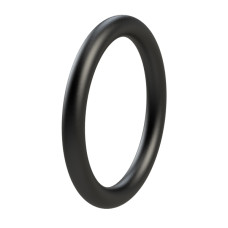

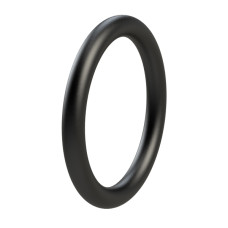
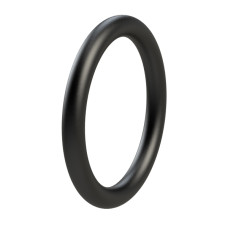
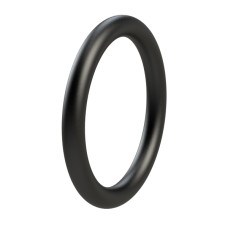
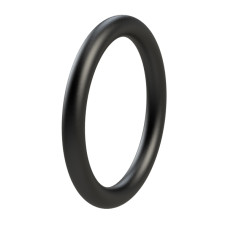
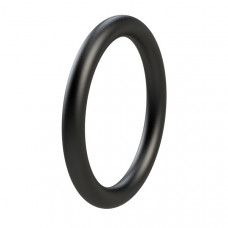
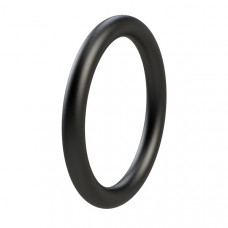
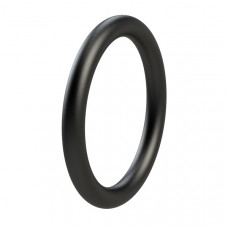
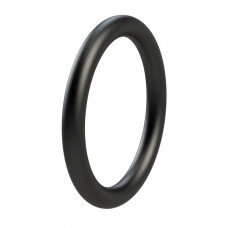
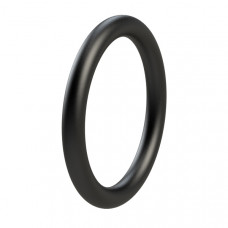
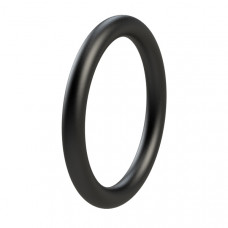
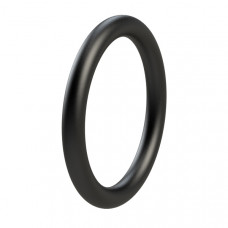
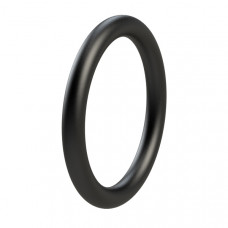
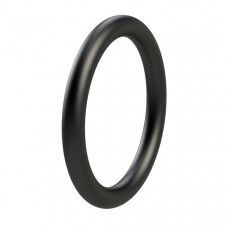
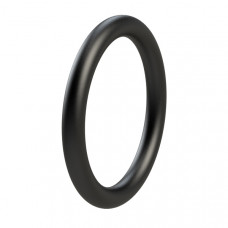
Simple in form but essential in function, the O-ring is one of the most widely used seals in industry, found in almost any hydraulic or pneumatic system.
What are O-rings, and where are they used?
An O-ring is a circular rubber seal, fitted into a special groove, which seals the gap between two static or minimally moving components — covers, flanges, fittings, pistons. Its role is to prevent leaks of oil, air, or other fluids and, at the same time, to stop dust or dirt from entering from the outside. They are found in construction machinery, industrial equipment, automotive systems, and general-purpose installations.
How to choose the right O-ring based on size and application
The size of an O-ring is defined by its internal diameter and the thickness of its cross-section (the cord). An error of a few tenths of a millimeter in either of these two values can result in a seal that fails under pressure or, conversely, a fit that is too tight, causing damage to the seal during installation. In addition to dimensions, the hardness of the material—usually expressed in Shore degrees—is also important and is selected according to the pressure within the system.
O-ring materials: NBR, FKM/Viton and other available options
NBR remains the most widely used option for applications involving mineral oil at moderate temperatures, such as those in the NBR90 or NBR70 ring categories, the difference between them being the hardness of the material. For high temperatures and superior chemical resistance, Viton (FKM) is the right choice. There are also silicone variants (VMQ), such as VMQ70 rings, suitable for food-grade applications or extreme temperatures, and polyurethane variants, such as PU90 rings, which offer much better resistance to abrasion and high dynamic pressures.
The benefits of buying O-rings from Hydraulic Seals Store
At Hydraulic Seals Store, you’ll find O-rings in a wide range of sizes and materials, with full technical specifications displayed for each product to help you avoid ordering the wrong item. The catalogue is organized by material type and hardness, and fast delivery allows you to continue your repair work without long delays, whether you need a few pieces or larger quantities for production
Frequently Asked Questions
What are O-rings and what are they used for?
They are circular rubber seals, fitted into a groove, which seal the gap between two components and prevent the leakage of fluid, dust, or dirt.
How do I choose the correct size for an O-ring?
Measure the internal diameter and the cross-sectional thickness of the old seal, then compare these values with the product specifications in the catalogue, taking the material’s hardness into account.
Which material is more suitable for an O-ring: NBR or FKM/Viton?
NBR is suitable for mineral oil at moderate temperatures, whilst Viton offers better resistance to high temperatures and contact with aggressive chemicals.
Can O-rings be used in hydraulic and pneumatic systems?
Yes, O-rings are among the most commonly used seals in both hydraulic and pneumatic systems, provided the correct material and size are selected for the working pressure.