













Bushing BK-2

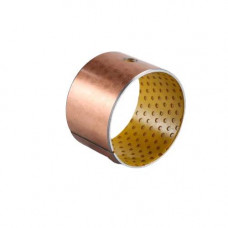

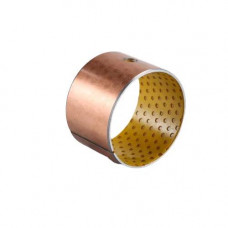
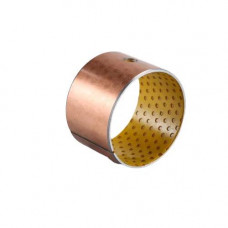
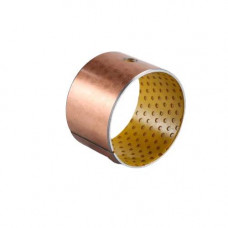
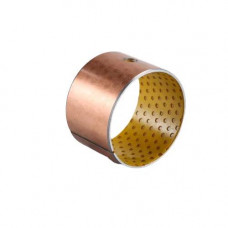
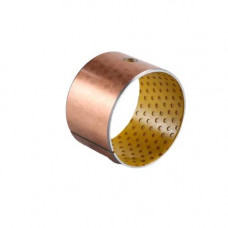
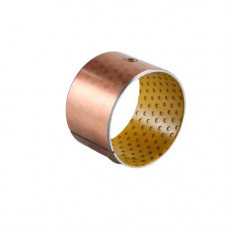
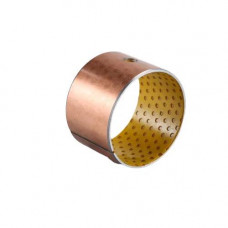
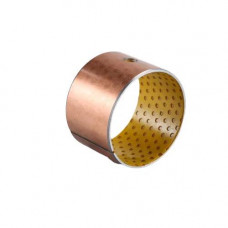
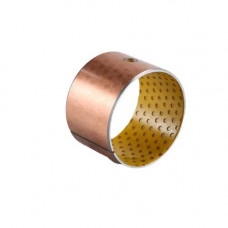
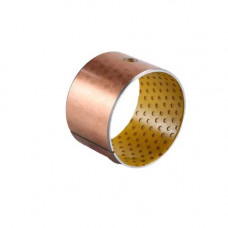
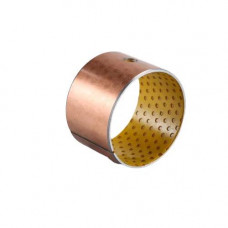
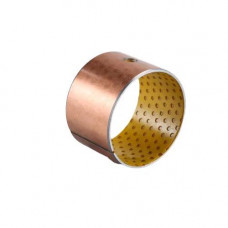
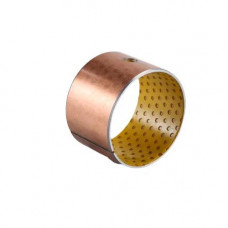
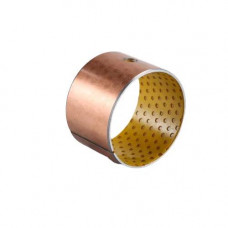
When mechanical loads exceed what a standard bushing can withstand, the bimetallic construction of BK-2 bushings makes all the difference.
The bimetallic structure of BK-2 bushings combines an outer support made of rolled steel, which rigidly absorbs the mechanical load, with a thin inner layer of an aluminum- or bronze-based anti-friction alloy, applied via a sintering process. The reduced thickness of the anti-friction layer does not affect the bearing capacity of the bushing but significantly reduces the coefficient of friction compared to a bushing cast entirely from steel. This combination makes them ideal for joints that transmit high and repeated loads, but where the installation space does not allow for a larger solution.
Features of BK-2 bushings for extreme mechanical loads
BK-2 bushings combine a steel backing with an inner layer of anti-friction alloy, a bimetallic structure specifically designed for high radial and impact loads. This combination provides high mechanical strength on the outside, without compromising the sliding properties on the inside, where direct contact with the shaft or pin occurs.
Compatibility of BK-2 bushings with heavy-duty hydraulic equipment
They are frequently used in construction machinery and large-scale hydraulic equipment, where contact pressures are high and movement is often oscillating rather than continuous. Compatibility depends strictly on the dimensions — internal and external diameter and length — but also on the type of load that the equipment transmits through the joint. For similar installation areas, the GFR, SBA, E90F and E92F bushing categories cover other load types and flanged installations.
The benefits of buying BK-2 bimetal bushings from Hydraulic Seals Store
Hydraulic Seals Store lists BK-2 bushings with full technical specifications, so you can quickly identify the right variant for your machinery. Fast delivery is particularly important for repairs to heavy hydraulic equipment, where downtime is costly.
To help you identify the correct BK-2 variant, each product listing specifies the thickness of the anti-friction layer and the exact diameters separately – information that is particularly relevant for machinery subject to high mechanical stresses. If your equipment operates in intensive cycles, ordering a complete set of bushings for all similar pivot points reduces the risk of repeated stoppages for individual replacements.