













Wiper AM



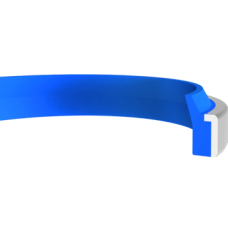

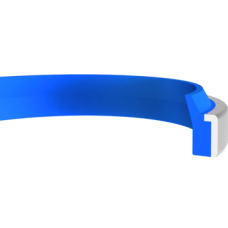
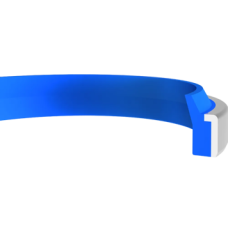
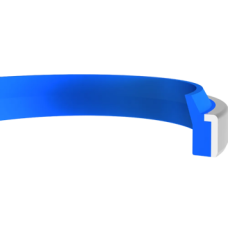
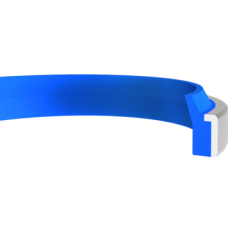
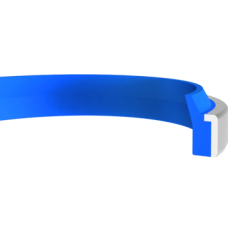
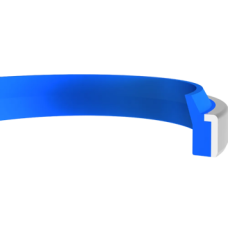
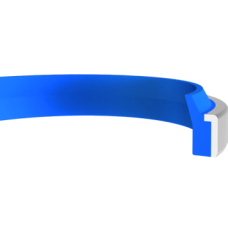
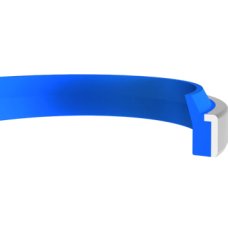
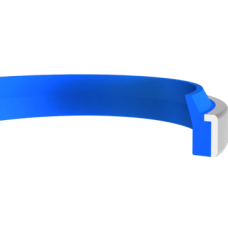
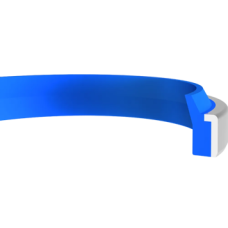
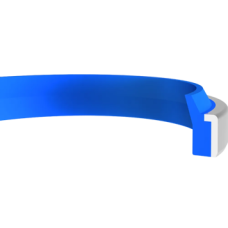
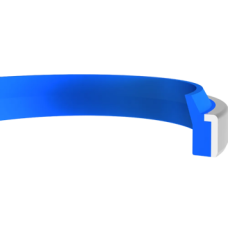
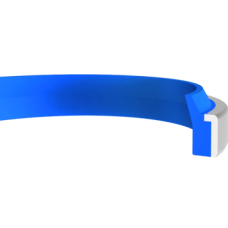
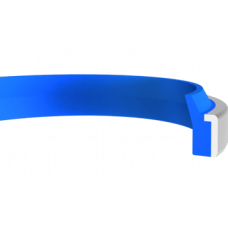
AM wipers are protective seals with a metal insert, mounted at the outer end of the hydraulic cylinder. They clean the rod with each retraction and block dust, mud, and abrasive particles before they reach the rod seal. Without a wiper, contaminants wear out the internal seal several times faster — it is a small investment with a major impact on the service life of the cylinder and, indirectly, the entire hydraulic system. The available versions, including AM with a steel or aluminum metal insert, are listed on the hydsealstore shop, with equipment compatibility tables.
What Are AM Wipers and What Are Their Technical Specifications
The metal insert — steel or aluminum alloy — provides rigidity and maintains the shape of the wiper regardless of temperature variations or mechanical impacts on the rod. Without this structure, a polymer-only wiper deforms and loses its edge sealing. The polyurethane or NBR wiping lip ensures direct and uniform contact with the rod, while the internal geometry allows the oil film to drain without pushing it back into the cylinder. It operates between -30°C and +100°C. Compared to wipers made exclusively of polymers, the metal insert withstands direct impacts and stones better. The remaining sealing components of the cylinder are available in the range of hydraulic seals, with matching versions for each type of cylinder.
The Role of the AM Metal Wiper in Protecting Hydraulic Cylinders
AM is primarily chosen for applications involving mechanical impacts on the rod and exposure to coarse dust or stones — excavators, bulldozers, telescopic boom cranes, industrial presses, forestry equipment. The metal insert makes the difference compared to standard wipers precisely under these conditions: better rigidity, consistent cleaning efficiency after thousands of cycles, resistance to permanent deformation of the lip. On machinery operating in quarries or heavy construction sites, a standard wiper wears out within a few hundred operating hours, while AM lasts several times longer — characteristics covered by the range of wipers for various working environments.
Selection and Installation Guide for AM Wipers
Identify the rod diameter and the dimensions of the installation groove — including the depth, which varies between manufacturers even for the same rod diameter. The AM wiper is inserted with the lip facing outward — if installed in reverse, it does not clean the rod and may damage the internal seals on the first stroke, causing immediate leaks. The groove must be thoroughly cleaned and inspected for burrs. Replace the wiper and rod seal simultaneously during every overhaul, even if the wiper appears visually good — microscopic wear is already sufficient to allow fine particles to pass through. The piston seals that complete the system are available in the range of piston seals.
Advantages of Purchasing AM Wipers
AM wipers are designed for hydraulic cylinders operating in environments where the rod may come into contact with dust, mud, stones, or other contaminants. Hydraulic Seals Store offers these profiles with a metal insert, a useful solution when a more rigid construction and additional protection against mechanical loads are required.
To select the appropriate wiper, the rod diameter must be measured and the groove in which it will be installed must be checked. Correct orientation of the lip during installation is also important. If you need to check the compatibility of an AM wiper with the existing cylinder, we can provide support based on its dimensions.