













Silicone Oil Seals



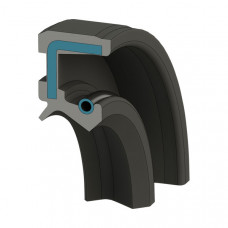

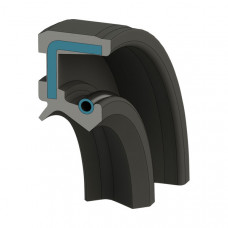
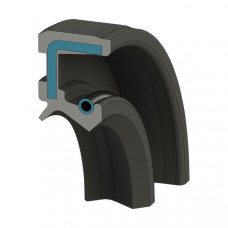
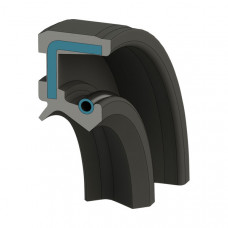
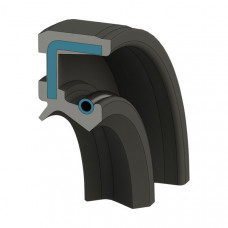
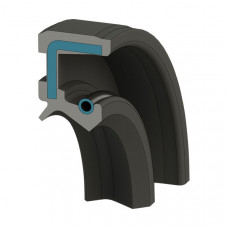
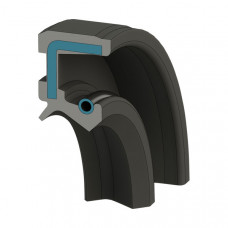
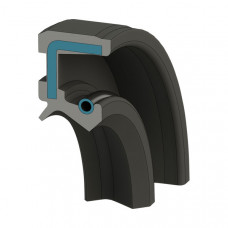
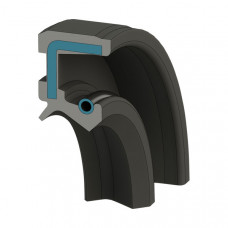
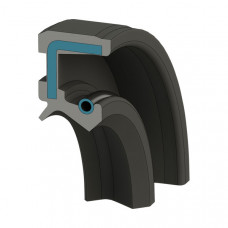
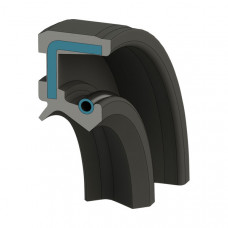
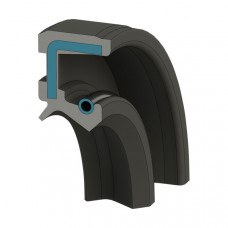
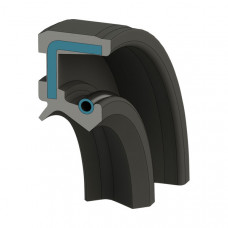
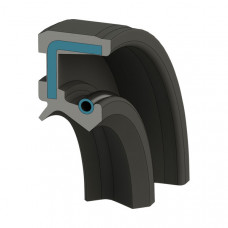
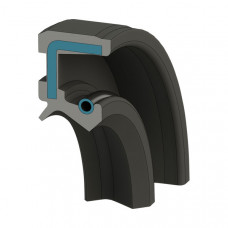
When NBR can no longer cope with the temperature, silicone (VMQ) is usually the next option to consider, particularly in applications where the temperature fluctuates frequently and significantly. Alongside the NBR and Viton variants available from Hydraulic Seals Store, these cover specialised applications, including those in the food and pharmaceutical industries, where hygiene and certifications are just as important as technical performance.
Characteristics of silicone (VMQ) seals and their tolerance to extreme temperatures
It can withstand temperatures ranging from extremely low values to over 200 degrees Celsius whilst remaining elastic – hence its popularity in applications with sudden temperature fluctuations, where other materials would quickly fail or become brittle in the cold, or lose their elasticity in excessive heat.
Key characteristics of silicone seals
They are highly resistant to ozone, UV radiation and ageing, so they perform reliably even on equipment exposed outdoors for long periods. They are also certified for food contact, making them suitable for the food or pharmaceutical industries, where other materials might be deemed unsuitable for safety reasons. Another important advantage is the material’s flexibility across a wide temperature range, which allows it to maintain its sealing properties under varying operating conditions. Silicone O-rings are also frequently used in applications where good resistance to repeated temperature fluctuations is required.
How to choose the right silicone seal for your application
Check the diameter of the shaft and the housing, as well as the pressure and temperature conditions in your specific application. One thing to bear in mind: it is not ideal for high mechanical pressures, as it is less resistant to abrasion than NBR or Viton; therefore, the choice must be made with careful consideration of the full load profile, not just the temperature. It is also important to consider the type of fluid or substance the seal will come into contact with, as chemical compatibility can affect the seal’s service life.
The benefits of buying silicone seals from Hydraulic Seals Store
We stock a wide range of sizes, as well as pressure, combi and cassette types. If you’re not sure exactly what you need, our catalogue and technical team can help you quickly find the right product for your application.
FAQ
What is the temperature range that silicone seals can withstand?
Somewhere between -60°C and over 200°C – a much wider range than that of NBR, which is useful where temperatures vary significantly during equipment operation.
Are silicone seals certified for the food industry?
Many variants are, as they are manufactured specifically for food contact – suitable for equipment in the food, pharmaceutical or cosmetics industries where hygiene is a priority.
Why are silicone seals not recommended for high mechanical pressures?
Because they are less resistant to abrasion than NBR or Viton, and the sealing lip wears down quickly under high pressure, reducing the component’s service life.
How does silicone (VMQ) differ from NBR rubber in terms of sealing performance?
Silicone clearly performs better at extreme temperatures, but NBR remains superior under pressure and when in contact with mineral oils, making it more versatile for standard hydraulic applications.