













Rubber Rings



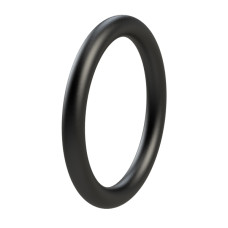

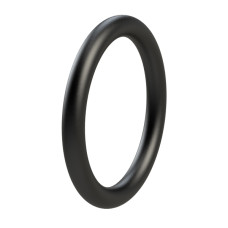
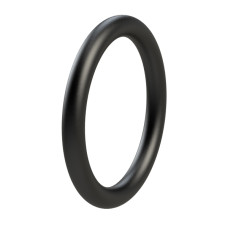
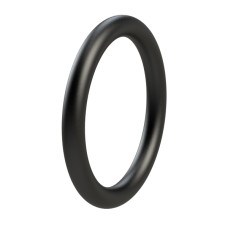
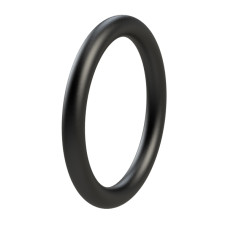
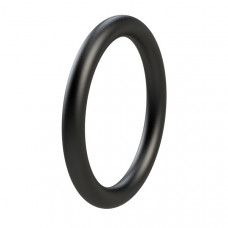
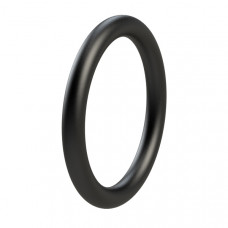
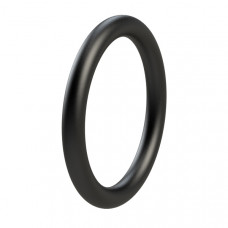
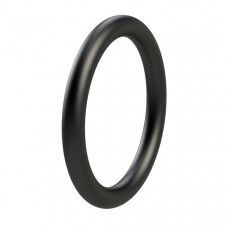
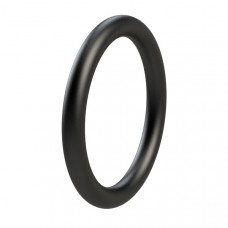
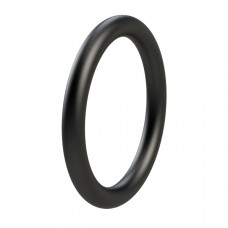
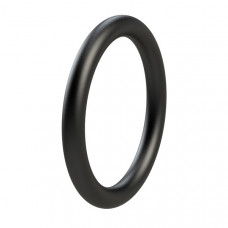
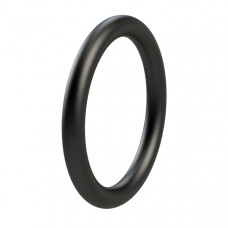
O-rings are the sort of small component that nobody notices until they fail, at which point a fluid leak can bring the entire system to a standstill. You’ll find them in the Hydraulic Seals Store alongside hydraulic seals and bolt bushings, as part of the same sealing system found in virtually any hydraulic or pneumatic system.
The role of rubber rings in static and dynamic sealing
The circular shape and elasticity of the material do the job: under installation pressure, the ring deforms slightly and fills the gap between the two surfaces, stopping leaks and keeping dust or moisture out. It works just as well on a fixed joint, such as a cover or a coupling, as it does on a moving rod, such as that of a hydraulic cylinder. If the size and material are chosen correctly, the seal can remain reliable for a long time, even under demanding operating conditions.
Types of rubber used (NBR, EPDM, Silicone, FKM) and their properties
NBR for mineral oils, EPDM for water and steam, silicone for extreme temperatures, FKM for harsh chemical environments and high temperatures – the choice of material depends largely on what the ring is sealing and on the temperature and pressure conditions of the application.
There is no single material suitable for every situation, which is why compatibility with the working fluid must be checked before installation. For example, a material that performs very well in contact with oil may have a much shorter service life when used with steam, acids or certain solvents.
How to choose the right rubber ring based on dimensions and hardness
Measure the internal diameter and the cross-sectional thickness, then check the material’s hardness (in ShA degrees). If it is too soft, you risk extrusion under pressure; if it is too hard, you lose the elasticity needed for a good seal, particularly in applications with variable pressure or hydraulic shocks.
The benefits of buying rubber rings from Hydraulic Seals Store
We stock a wide range of materials and standard sizes, with technical support available if you’re unsure which option is right for your application. The catalogue is easy to navigate, prices are fair, and delivery is fast, so that a single small part won’t keep an entire machine out of action.
FAQ
What is the difference between 70 ShA and 90 ShA hardness grades for rubber rings?
70 ShA is more elastic, suitable for moderate pressures; 90 ShA is stiffer and better able to withstand extrusion at high pressures, but offers slightly less flexibility during installation.
In which applications are EPDM rubber rings used compared to NBR?
EPDM for water, steam or cleaning agents; NBR for mineral oil and hydrocarbons – essentially the standard in hydraulics and oil-based applications.
How do you measure a rubber ring correctly (inner diameter x thickness)?
Measure the internal diameter of the undeformed ring and the thickness of the circular cross-section – these two values determine whether it fits the mounting channel of your application.
What causes premature wear of rubber rings?
Usually incorrect fitting, unsuitable hardness, exposure to incompatible temperatures or chemicals, or a lack of lubrication during fitting, especially on parts that move frequently.