













Steel Bushings

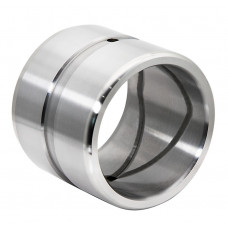

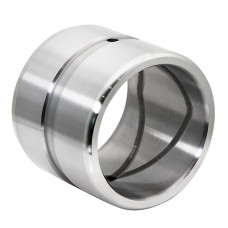
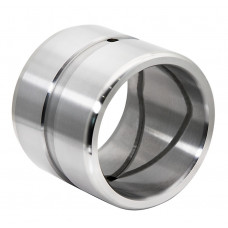
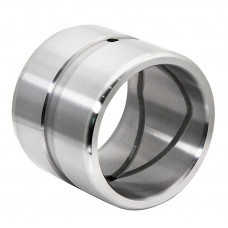
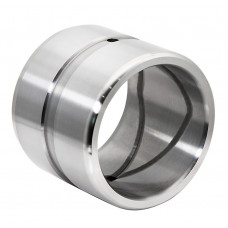
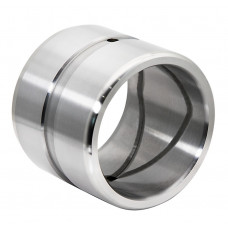
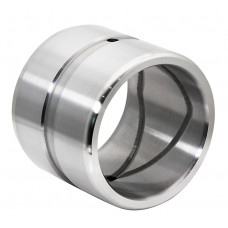
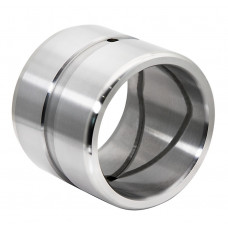
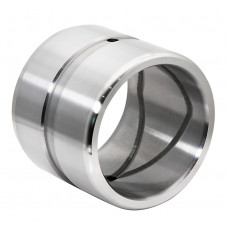
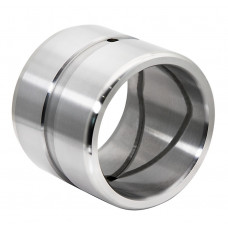
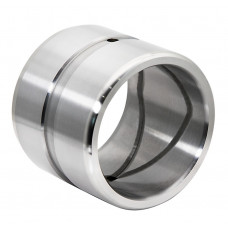
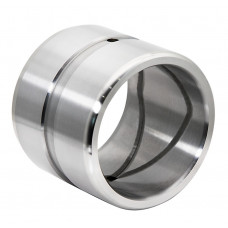
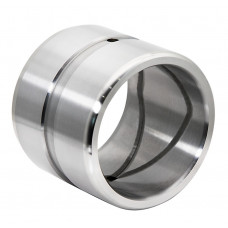
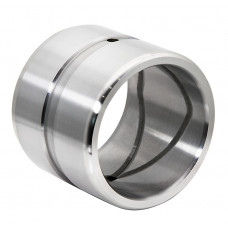
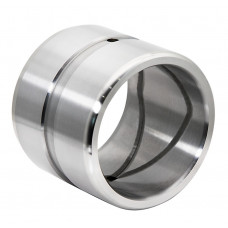
There are situations where bronze simply won’t hold up – heavy loads, repeated shocks, harsh site conditions, high temperatures or low rotational speeds combined with high contact pressures. This is where steel bushings come in, designed specifically for high mechanical strength where other materials would deform or wear out prematurely. These are components found in almost all heavy construction, mining or intensive agricultural machinery, where the reliability of the joints is critical to continuing operations.
You’ll find them in the Hydraulic Seals Store alongside hydraulic seals and bolt scrapers, as part of the same range of joint components, alongside bronze bushings and other variants, to suit whatever combination of load and speed you require.
The role and characteristics of steel bushings
They are heat-treated to achieve high hardness – which is why they withstand compression and impact without permanent deformation. The heat treatment, whether hardening, case hardening or nitriding, forms a hard surface layer that protects the part from abrasive wear, whilst the core remains tough enough to absorb shocks without cracking.
Hardness is usually measured on the HRC scale, and the higher the value, the longer the component maintains its dimensional tolerances, even under heavy loads. Manufacturers of bushings for heavy machinery usually aim for a balance between high surface hardness and good impact resistance, because a part that is excessively hard but brittle may fail suddenly under a strong impact, rather than wearing out gradually.
Resistance to heavy loads and extreme working conditions
On an excavator or loader, the joints are subjected to constant shocks – as well as dust and wide temperature fluctuations, from the winter frost to the summer heat on the construction site. The homogeneous structure of steel absorbs this relatively well, keeping mechanical play within normal limits and delaying the wear of the pins, even if the machine operates daily under harsh conditions, for hours on end, without long breaks for maintenance.
In industrial applications less exposed to the elements, such as hydraulic presses or production lines, steel bushings are also chosen for their ability to withstand high radial loads without compromising the mechanism’s precision. Where vibrations and cyclic loads are common, material fatigue becomes a significant factor, and high-quality alloy steels withstand this type of repeated stress better than softer materials.
Criteria for selecting steel bushings based on hardness and dimensions
Three factors must be matched: the hardness required by the application, the size of the pin and the operating environment. If the hardness is too low, the bushing will wear out quickly; if it is too high, it becomes brittle on impact and may fail suddenly rather than wearing out gradually. Striking a balance between the two is what you aim for when choosing the right product, and the range of bushings in the shop covers most common variants, from those for medium loads to those for heavy-duty applications.
Dimensions must be checked carefully before ordering – the inner and outer diameters, length and fitting tolerances must correspond exactly to the existing bolt, to avoid excessive mechanical play or, conversely, a forced fit that could damage adjacent parts. For older or modified machinery, it is recommended that you check the dimensions directly on the removed part, rather than relying solely on the original documentation.
The benefits of buying steel bushings from Hydraulic Seals Store
We offer hardened, tested bushings for heavy-duty applications, complete with technical advice if you’re unsure which hardness is suitable for your machinery. Prices remain competitive, and fast delivery helps avoid prolonged machine downtime – a crucial factor, particularly for companies working to tight deadlines on construction sites.
The online catalogue allows you to quickly compare the various options available, so you can choose exactly the right combination of hardness, size and price to suit your budget and the technical requirements of your project, without unnecessary compromises.
FAQ
What does HRC hardness mean for steel bushings and why is it important?
It is the Rockwell C scale, used to measure surface hardness. The higher the value, the better the bushing resists wear and deformation under load, but maintaining a balance with toughness remains essential.
In which applications are steel bushings preferable to bronze ones?
Where loads and impacts are frequent – excavators, heavy machinery, industrial presses. Bronze remains more suitable for moderate loads, where self-lubrication matters more than raw strength.
How can you prevent steel bushings from seizing up during operation?
Regular lubrication, correct installation clearance and a hardness suitable for the application – that’s pretty much all it takes for trouble-free operation, along with periodic checks on the condition of the joint.
How do you choose the right bushing for your application?
Consider the load, the type of movement, the operating environment and the pin size, then select the hardness and wall thickness based on these specific technical requirements.