













U-cup UHS: page 3



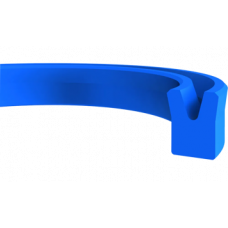

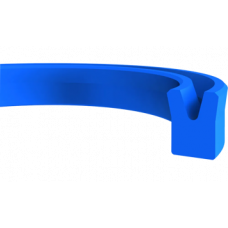
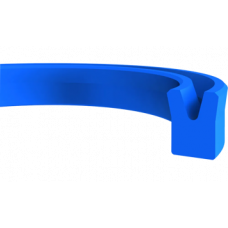
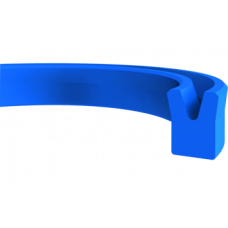
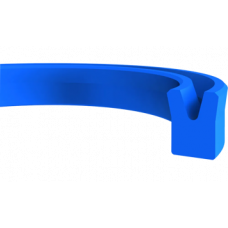
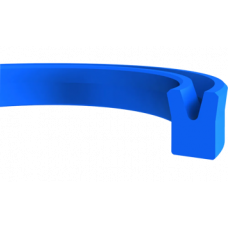
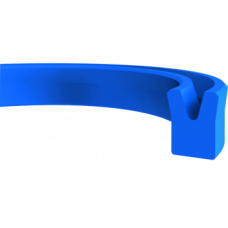
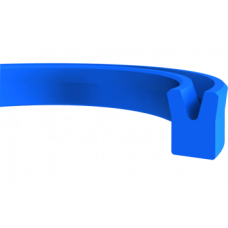
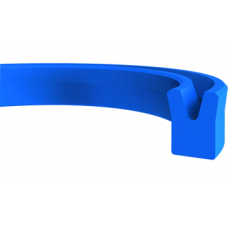
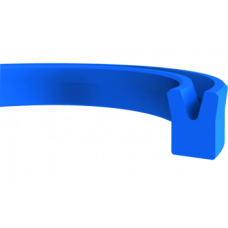
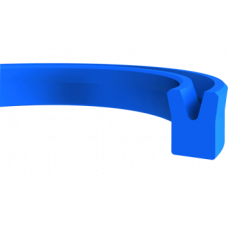
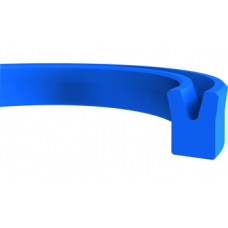
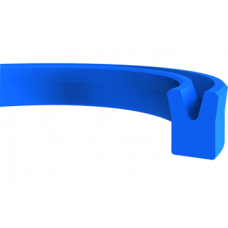
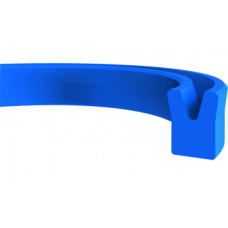
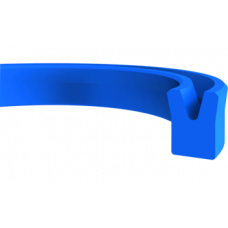
UHS seals are rod sealing components made of polyurethane, used in single- and double-acting hydraulic cylinders. They can be found on all kinds of equipment — from excavators and bulldozers to presses and lifting systems. Compared to rubber seals, they offer better wear resistance and last longer, especially when the cylinder operates intensively or with rapid cycles. The complete range of compatible sizes, profiles, and materials can be found at hydsealstore.ro, along with installation recommendations for each type of cylinder.
The Role and Characteristics of UHS Seals in Hydraulic Systems
The asymmetric profile of the UHS seal is designed for sealing in one direction — outward. What is interesting is that the pressure in the system helps it seal better: the higher the pressure, the harder the lip presses against the rod. This makes it suitable for cylinders with large pressure variations. Polyurethane maintains the shape of the lip even after thousands of cycles, without failing like ordinary NBR. Installation is simple — it fits into standard grooves without modifications, and dimensionally it complies with common European profiles used in equipment on the market. When combined with a wiper, it is important that hydraulic seals for rods and wipers form a complete sealing system, not independent components.
Operating Parameters, Pressure, and Efficient Sealing
It works well up to 400 bar and between -30°C and +110°C. It is compatible with HLP and HVLP mineral oils, and with biodegradable fluids such as HEES or HETG, performance remains similar, provided that the technical data sheet is checked. It resists extrusion even at pressure peaks — a weak point of many rubber seals. The profile distributes the force evenly across the rod, which reduces localized wear and extends service life. Without a wiper, contaminants quickly reach the seal and accelerate wear several times over — hydraulic wipers are a mandatory complementary component, not an optional one.
Selection and Installation Criteria for UHS Seals
To choose correctly, you need three dimensions: the rod diameter, the outer diameter of the housing, and the groove depth. With these, you can find the seal code in the catalog. During installation, the rod must be clean and free of scratches — any trace of rust or burrs damages the lip on the first stroke. It should be inserted using a mandrel with rounded edges, without forcing it and without twisting the lip. A few slow cycles during initial startup help the seal seat correctly in the groove. If the UHS profile does not cover your application, especially when the pressure constantly exceeds 400 bar or the environmental conditions are aggressive, there are also other types of hydraulic seals with backup rings or composite construction.
Advantages of Purchasing UHS Seals from Hydraulic Seals Store
At Hydraulic Seals Store, you can find UHS seals for different types of hydraulic cylinders, available in multiple sizes, profiles, and materials. To choose the correct seal, the rod diameter and groove depth are important. For applications with high pressures, special temperatures, or fluids other than standard mineral oils, it is recommended to check the technical data sheet before ordering.
If you are not sure which size or version is suitable, you can send us the cylinder measurements, and the Hydraulic Seals Store team can help you identify the product. Browse the range of UHS seals in the catalog and choose the right option for your hydraulic cylinder.