













U-cup UNS: page 3


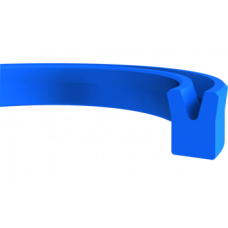

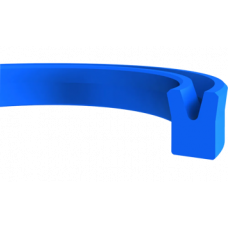
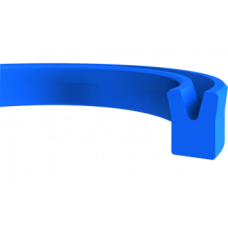
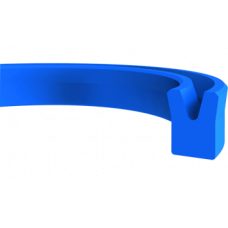
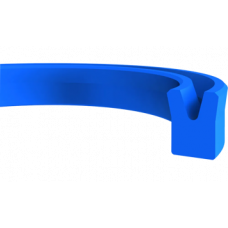
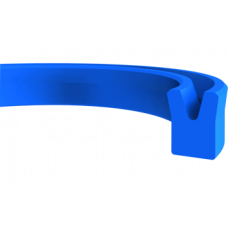
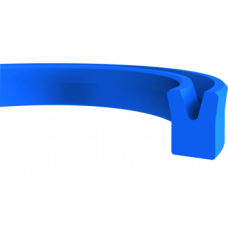
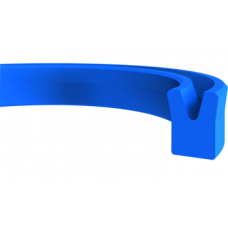
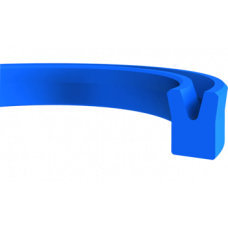
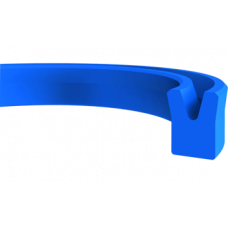
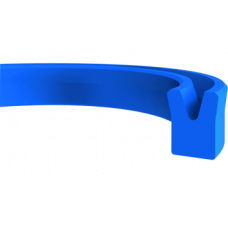
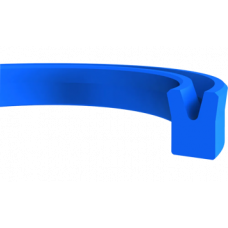
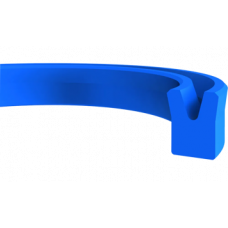
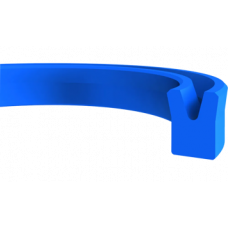
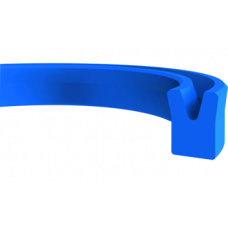
UNS seals are polyurethane seals for rod sealing in single- and double-acting hydraulic cylinders, used at medium and high pressures in mobile and stationary industries. They can be found in steering cylinders, lifting cylinders, heavy agricultural equipment, and industrial presses. Compared to standard rubber, polyurethane offers better resistance to abrasive wear and maintains the geometry of the lip for much longer — a property that directly translates into longer service intervals. Compatible codes, sizes, and materials are listed on the hydsealstore shop, with filters by diameter and cylinder type.
Technical Characteristics and Structure of UNS Seals
UNS seals operate up to 400 bar and between -30°C and +100°C. The compact profile allows installation in shallow grooves — a clear advantage in modern cylinders with a compact design, where radial space is limited. They resist extrusion even under repeated pressure peaks, a common problem with softer seals. Compatible with HLP and HVLP mineral oils and some ester-based biodegradable fluids. When in contact with special synthetic fluids, first check the compatibility list in the technical data sheet, because some additives attack polyurethane. The complete cylinder system also includes other types of hydraulic seals — pistons, guides, and wipers — that work together.
Industrial Applications and Compatibility with Hydraulic Cylinders
UNS seals are found in steering cylinders of construction machinery, in lifting cylinders for cranes and lifting platforms, in heavy-duty agricultural equipment, and in hydraulic presses in stationary industries. Their good compatibility with various fluids makes them versatile, while the standardized profile allows them to directly replace most original seals without machining. Without a wiper, the seal wears out several times faster because abrasive particles continuously reach the lip — hydraulic wipers are the protective component that completes the rod sealing and extends the service life of the cylinder.
Areas of Use and Selection Criteria for Hydraulic UNS Seals
Selection is based on three dimensions — the rod diameter, the outer diameter of the housing, and the groove depth. The material is already selected for most applications: polyurethane, compatible with standard mineral oils. For atypical conditions — temperatures at the limit or special fluids — check the technical data sheet before ordering. The groove must be clean, free of burrs and traces of the old seal. The seal is inserted without twisting, using a mandrel with rounded edges, and is lightly lubricated with oil from the system beforehand. Other profiles available in the range of hydraulic seals cover cases where UNS does not fit dimensionally or functionally.
Advantages of Purchasing UNS Seals from Hydraulic Seals Store
Polyurethane UNS seals are available at Hydraulic Seals Store in sizes suitable for numerous single- or double-acting hydraulic cylinders. To identify the correct seal, the rod diameter, housing diameter, and groove depth must be checked. In standard applications, polyurethane provides good wear resistance, but for extreme temperatures or special fluids, it is important to check the compatibility of the material.
If you already have the removed seal, you can provide us with its dimensions or the dimensions of the installation groove. We can provide assistance in identifying the appropriate UNS profile and selecting the version suitable for the operating conditions. The available range can be viewed directly in the Hydraulic Seals Store catalog.